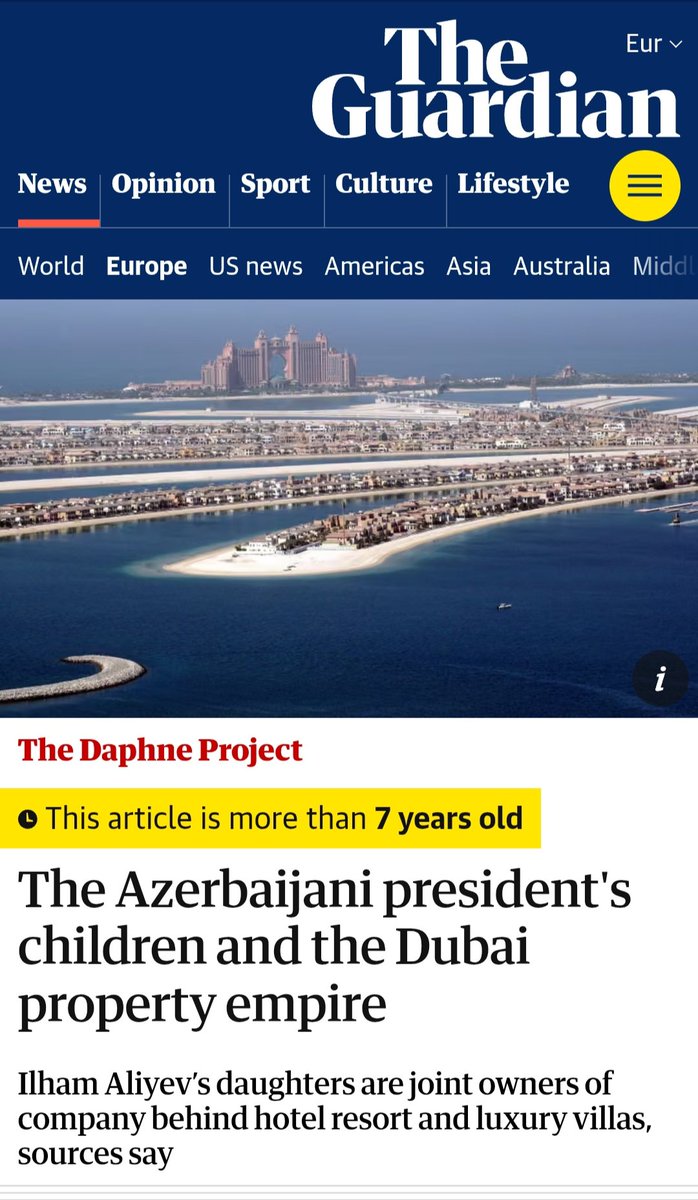
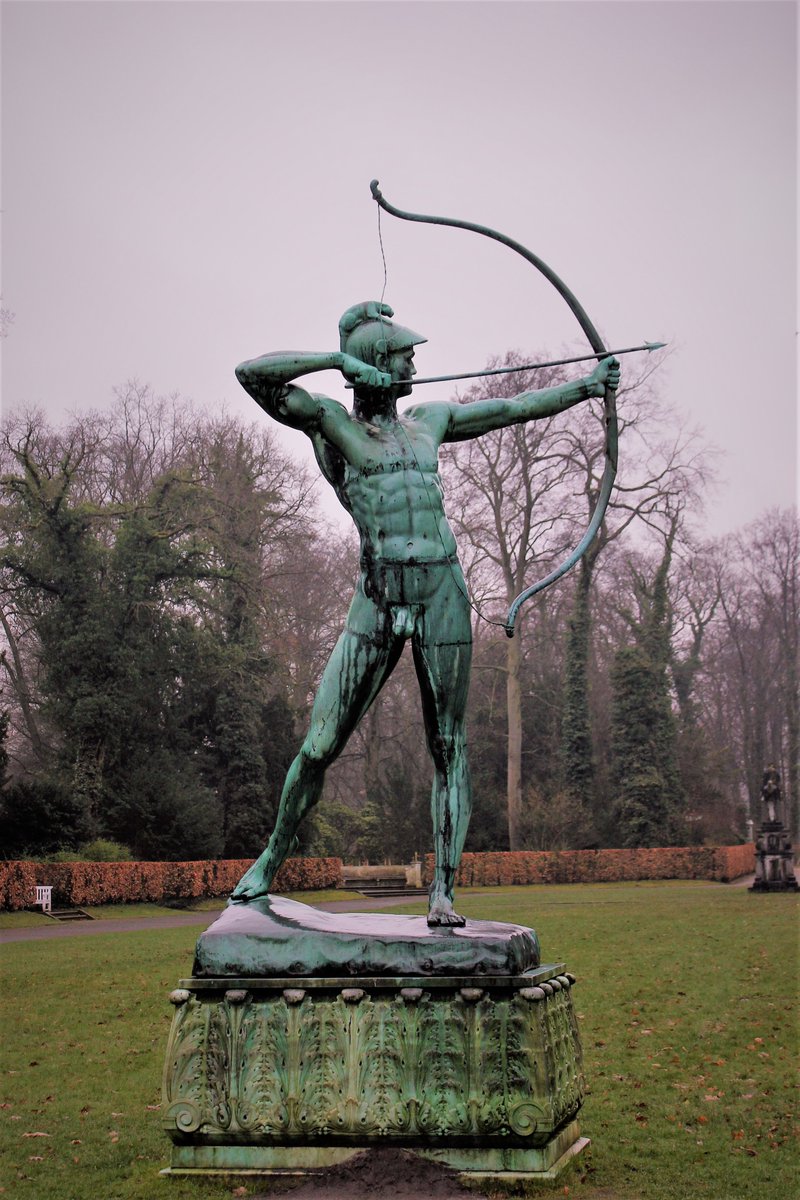
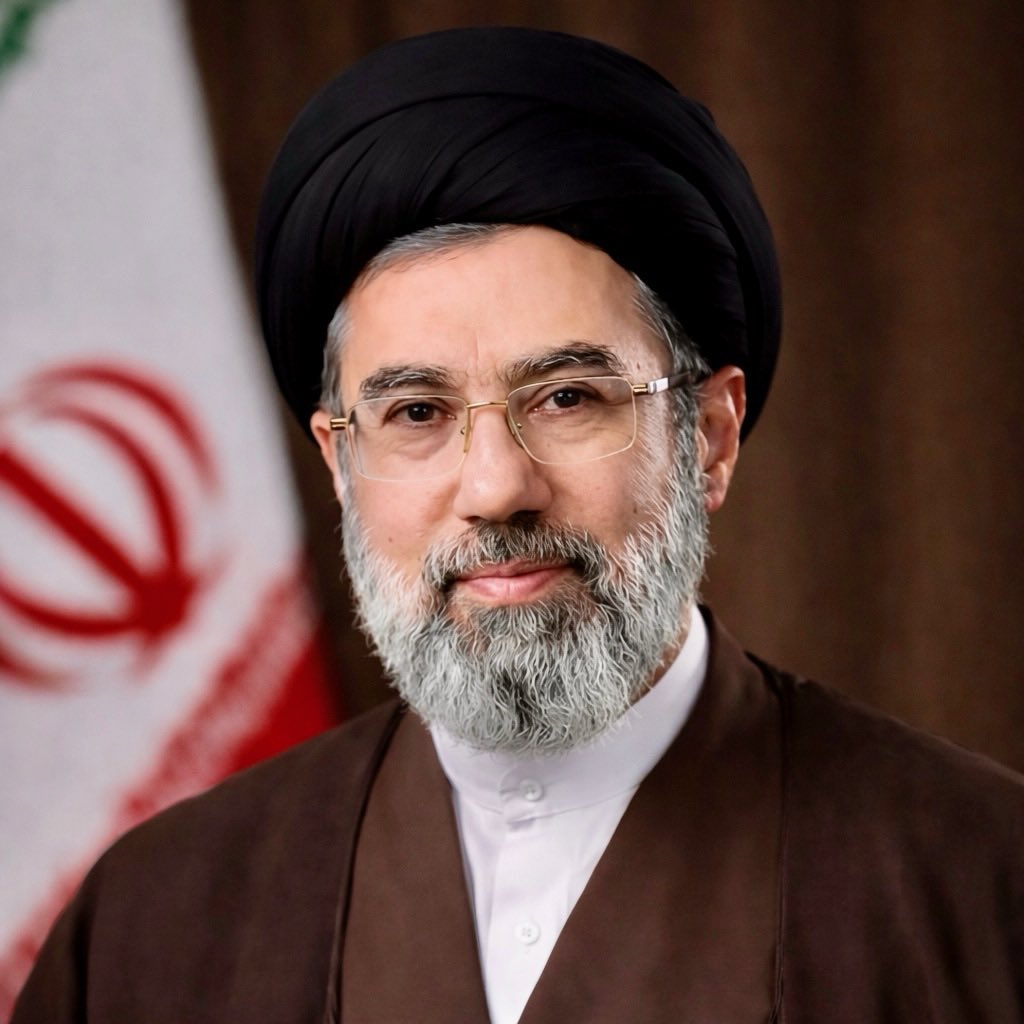
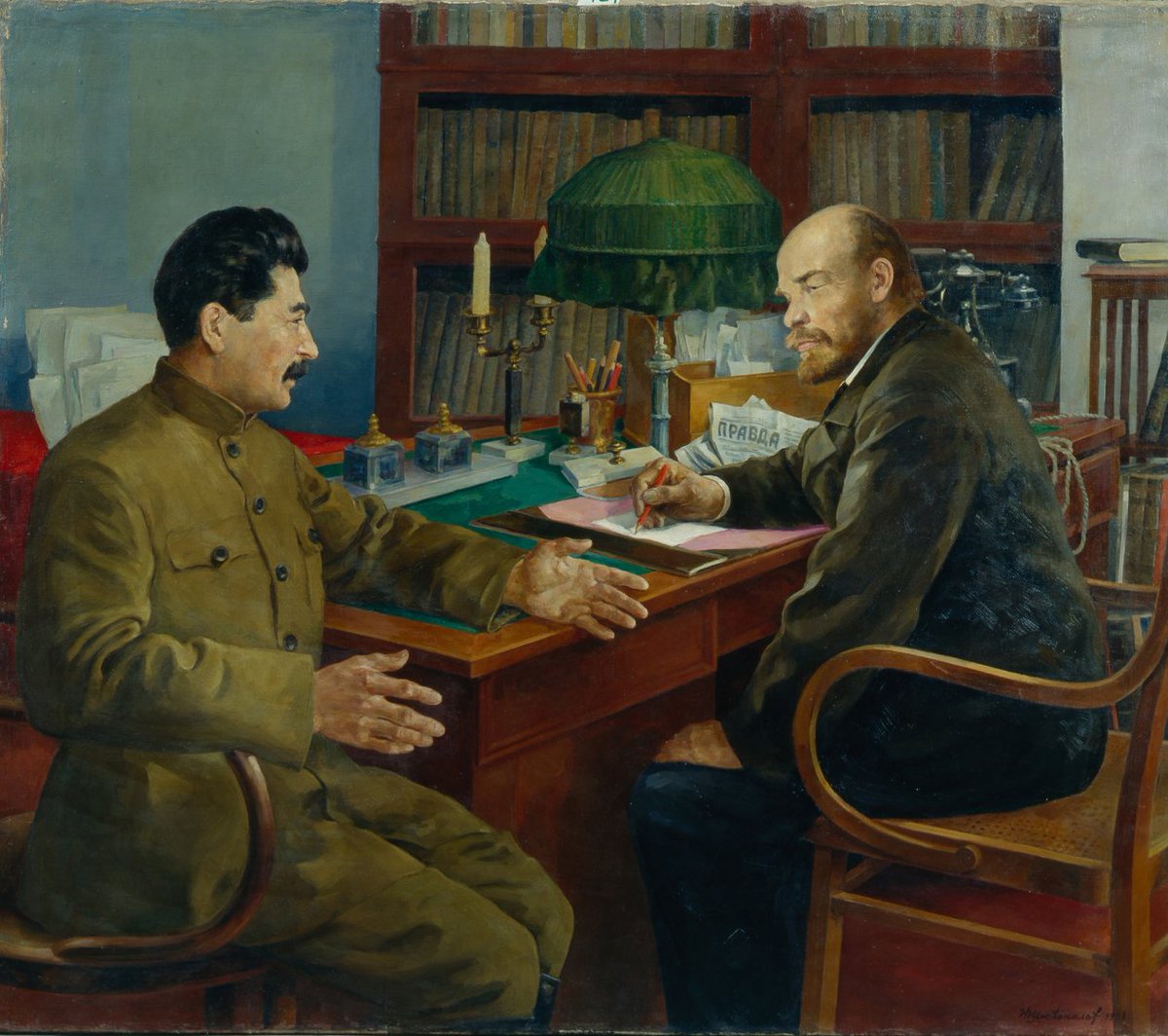
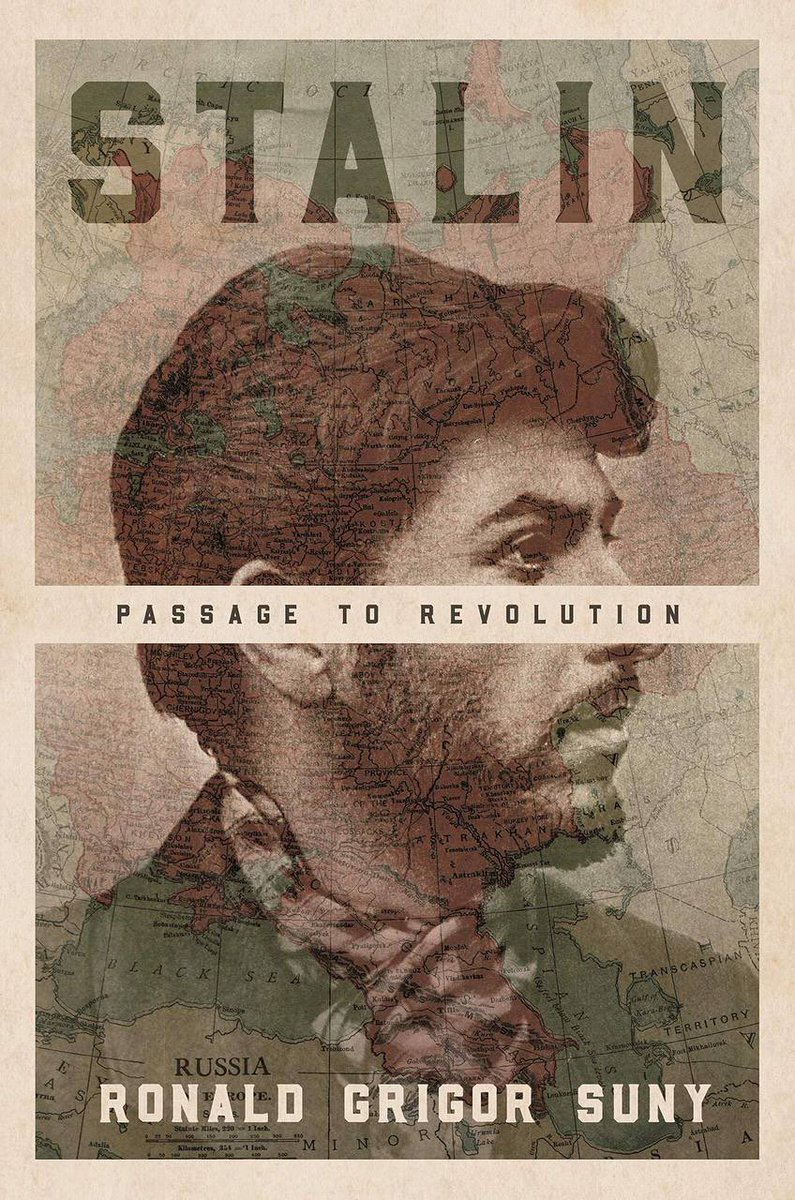
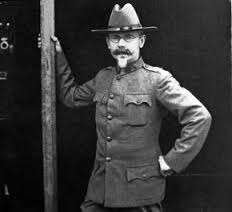
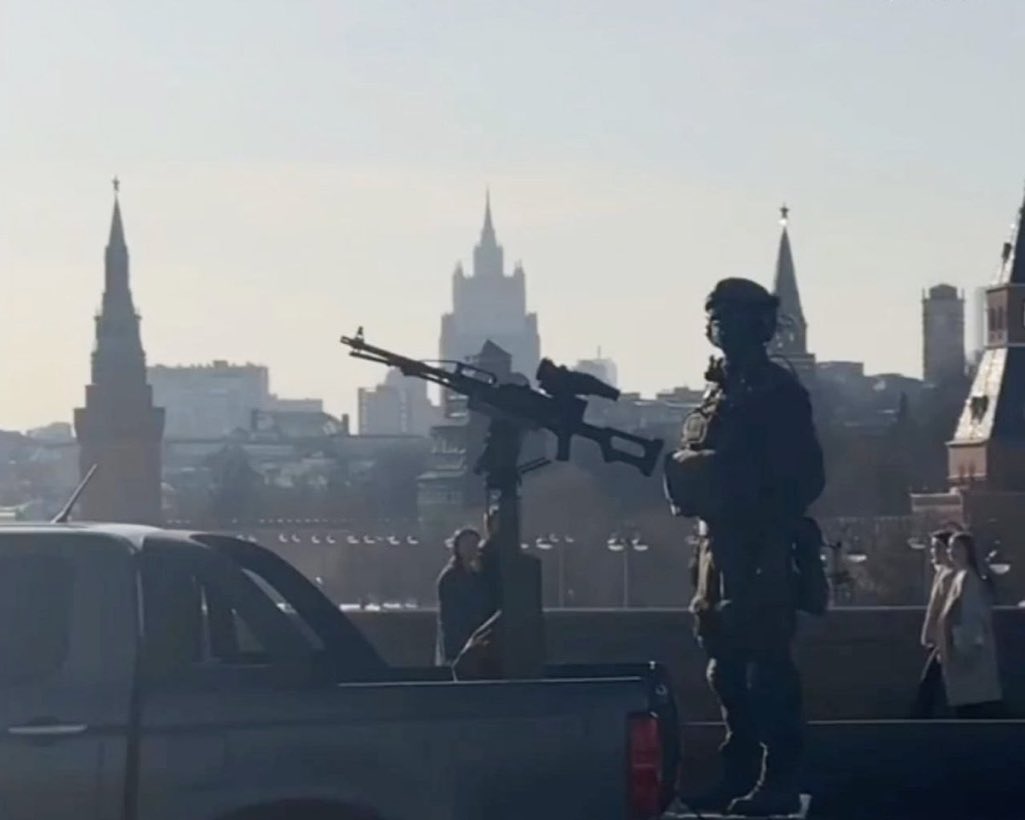
Categories Blogs French national jailed for 10 years in Azerbaijan for spying Post author By Mike Nova Post date March 16, 2026 Articles and Tweets #SouthCaucasus #Azerbaijan #spying French national jailed for 10 years in Azerbaijan for spying RT by @mikenov: Gayatollah??? pic. RT by @mikenov: It is said that no damage has been done to Ilham Aliyev’s properties in Dubai. At the moment, he seems to be more concerned about his personal security than about his assets. There are claims that there may be attempts to attack using drones carrying chemical substances. pic. Major News Headlines March 16, 2026 RT by @mikenov: Apollo the Archer pic. #FBI #CIA #SouthCaucasus RT by @mikenov: JUST IN: 🇺🇸🇮🇷 US intelligence indicates Iran’s new Supreme Leader Mojtaba Khamenei may be gay, NYPost reports. pic. #FBI #News #Video RT by @mikenov: 🚨 NEW: New York Post reports that Trump was briefed that Iran’s new Ayatollah Mojtaba Khamenei is gay. He’s now the Fabutollah 💅🏼 pic. #Stalin #Russia #USSR #SouthCaucasus #Georgia #Stalin #CIA #FBI #GRU RT by @mikenov: French national jailed for 10 years in Azerbaijan for spying RT by @mikenov: Stay away from our kids you sick fuck. #Sexuality #SexualDevelopment #SexualAttraction Apparently the emotional aspect of sexual attraction to their peers in heterosexually and homosexually inclined children develops early. The better they understand these feelings, the more adept they will be in recognizing and dealing with them, and the better chance they will have to be happy in their future lives. (See GS: fbi news today – Google Search This video provides more context on the FBI’s investigation into recent potential terror attacks: #CIA #News Today – #AI Report Objective, Balanced, Timely – 6:01 AM 3/16/2026 CIA News: Middle East, Controversies, History Gemini – Selected Quote: “Iran’s government is largely intact and not in immediate danger of collapse, with its security apparatus maintaining control.” Here is a breakdown of the most significant news involving the Central Intelligence Agency today. The agency is currently dominating headlines due to its heavy involvement in the escalating conflict in the Middle East, alongside a few notable domestic controversies. ### The Conflict in the Middle East The CIA is deeply embedded in the current geopolitical crisis involving the CIA News: Middle East, Controversies, History cia news today – Google Search RT by @mikenov: OTD March 16, 1853 Arthur Wagner born. Father of military intelligence. Wrote The Service of Security and Information (1893) and Organization and Tactics (1895). pic. RT by @mikenov: Ronald Grigor Suny. Stalin: Passage to Revolution. – Princeton University Press, 2020. In his monumental book, Ronald Grigor Suny sheds light on Stalin’s least-studied early years. Drawing on a wealth of new archival evidence regarding Stalin’s life in the Caucasus, the author… pic. RT by @mikenov: In the final years of his life, Vladimir Lenin became increasingly worried about the future leadership of the Soviet state. After suffering several strokes between 1922 and 1923, he dictated a series of notes that later became known as Lenin’s Testament. In these writings, he… pic. RT by @mikenov: Crown Prince of Saudi Arabia, Mohammed bin Salman, has been advising US President Donald Trump to “keep hitting the Iranians hard,” White House officials told the New York Times in a report published on Sunday. RT by @mikenov: Russia’s full-scale invasion of Ukraine is such a massive strategic failure that military academies will be studying it for decades to come. They sacrificed their best troops and ruined their economy, only to expose their own incompetence to the world. A truly historic disaster pic. RT by @mikenov: Also soldiers with machine guns are observed in Moscow 🇷🇺. This is distinctly unusual. pic.










 Brooklyn NY - bklyn-ny.com